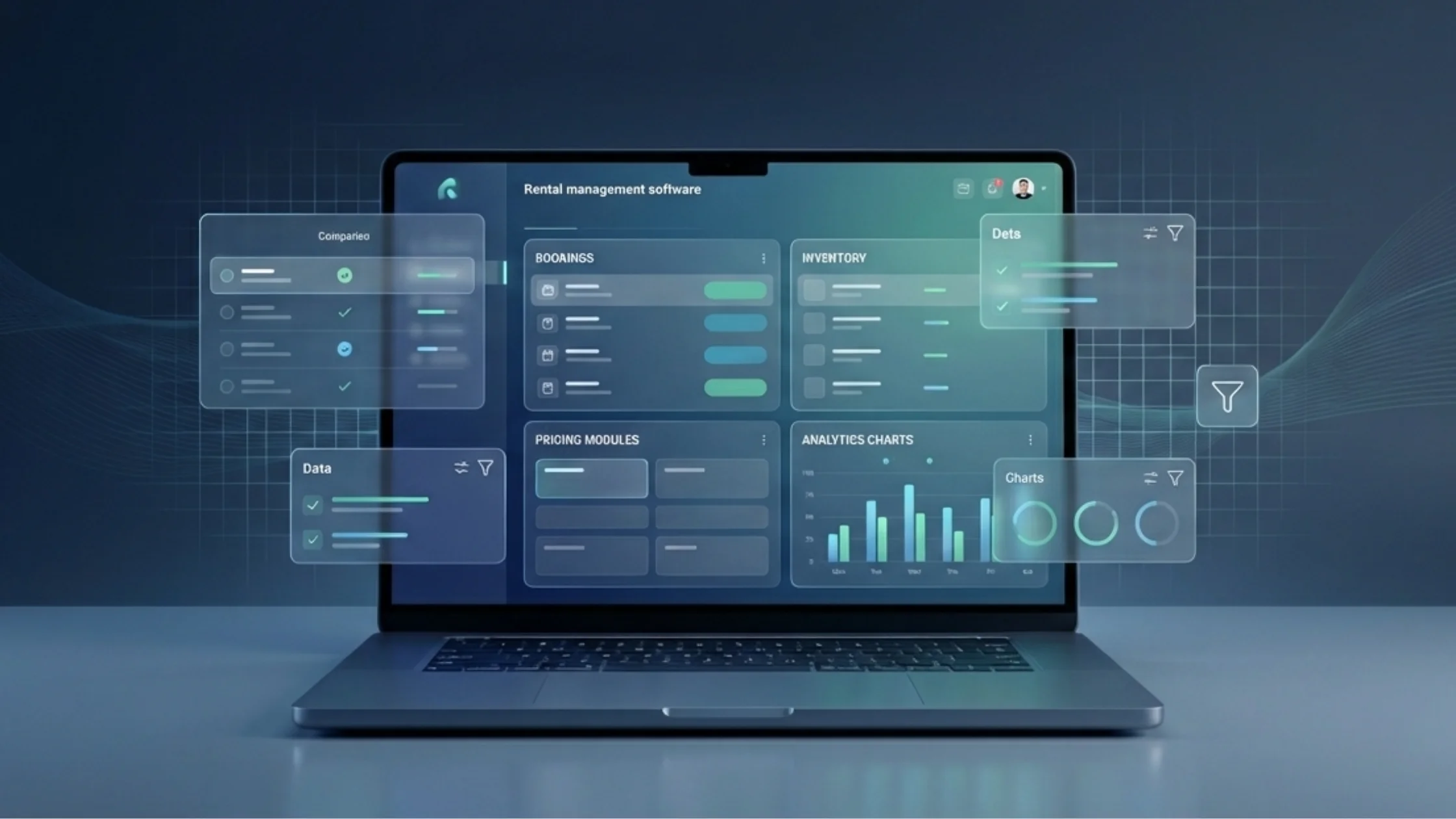
The rental economy continues to gain momentum as businesses and consumers increasingly prioritize access, flexibility, and cost-efficiency over ownership. From equipment and vehicles to party supplies, dresses, and outdoor gear, rental startups are entering markets that are both opportunity-rich and highly competitive.
In this environment, technology is no longer just a support function it is a core business driver. The rental software you choose directly affects how efficiently you manage inventory, how easily customers book rentals, and how well your business scales over time. For startups, this decision is even more critical because early technical choices often define long-term success or failure.
This article explores how startups can choose the best rental software, the trade-offs between SaaS and self-hosted solutions, and why a flexible, scalable technology foundation is essential for sustainable growth.
Understanding Your Rental Business Model
Before comparing software solutions, startups must clearly define their rental business model. Rental software is not one-size-fits-all, and misalignment between business needs and system capabilities often leads to inefficiencies.
Key questions to consider include:
- What types of products are you renting (equipment, vehicles, event items, apparel, outdoor gear)?
- Are rentals short-term, long-term, or both?
- Will you operate from a single location or across multiple regions?
- Do you plan to scale inventory or categories in the future?
- Will you need mobile access/app for staff or customers?
Clarity at this stage helps avoid choosing software that only works for today’s requirements but fails as the business grows.
Essential Features to Look for in Rental Software
At its core, rental software should simplify operations while enhancing customer experience. However, not all platforms provide the same depth of functionality. Here are the essential features that needs to be included in your software;
Inventory & Availability Management
Real-time tracking of product availability is critical to prevent double bookings and stock conflicts. The system should support flexible inventory rules and maintenance schedules.
Booking & Reservation System
A smooth booking flow online and mobile is essential for customer satisfaction. This includes scheduling, extensions, cancellations, and automated confirmations.
Pricing, Deposits & Payments
The software should handle dynamic pricing, security deposits, late fees, and multiple payment gateways to accommodate diverse customer preferences.
Mobile Accessibility
Modern rental businesses rely heavily on mobile devices. Mobile-friendly dashboards or dedicated apps improve operational efficiency for both staff and customers.
Analytics & Reporting
Actionable insights into revenue, utilization rates, and customer behavior help startups make informed decisions.
Integrations
Compatibility with accounting software, CRMs, logistics tools, and marketing platforms ensures seamless operations.
SaaS vs Self-Hosted Rental Software: A Strategic Choice
One of the most important decisions startups face is choosing between SaaS-based and self-hosted rental software.
SaaS solutions are attractive due to their quick setup and minimal technical involvement. They often include hosting, updates, and basic support. However, this convenience comes at the cost of limited customization, vendor dependency, and recurring fees that increase with usage.
Self-hosted rental software, by contrast, gives startups control over their infrastructure, data, and feature roadmap. While it requires more planning and technical oversight, it provides flexibility that becomes invaluable as the business grows.
For startups aiming to differentiate through customer experience, workflows, or integrations, self-hosted solutions often prove to be the more strategic choice. Explore this article to see a more detailed comparison of SaaS vs self-hosted software.
Why Self-Hosted Rental Software Is the Right Choice for Startups
For startups focused on long-term growth and differentiation, self-hosted rental software offers clear advantages.
Complete Ownership of Data
With self-hosted software, all customer, transaction, and operational data remains under your control. This eliminates risks associated with vendor policy changes, pricing shifts, or service discontinuation. It also simplifies compliance with data protection regulations.
Customization That Matches Your Business
Every rental business has unique workflows. Self-hosted solutions allow startups to customize booking logic, pricing, approval flows, and reporting structures. This flexibility ensures the software supports the business rather than forcing operational compromises.
Long-Term Cost Efficiency
While SaaS platforms may appear affordable initially, subscription fees often scale with users, transactions, or inventory size. Over time, these recurring costs can surpass the investment required for a self-hosted solution, which offers more predictable expenses.
Scalability Without Constraints
As demand grows, self-hosted software allows startups to scale infrastructure, features, and integrations without vendor-imposed restrictions. This is especially important for businesses expanding into new rental categories or regions.
Enhanced Security and Performance
Self-hosted environments enable businesses to implement tailored security protocols, optimize performance, and choose hosting providers that align with their needs. You can go through the top mobile app security trends to make your system more secure than ever. This level of control is critical for rental businesses managing high-value assets.
White-Label Self-Hosted Solutions: Balancing Speed and Control
For startups that want the benefits of self-hosting without building software from scratch, white-label self-hosted rental solutions offer a practical middle ground.
A notable example is YoRent, a white-label, self-hosted rental software designed to support multiple rental categories, including:
- Equipment rental
- Vehicle rental
- Party and event rental
- Dress and costume rental
- Outdoor and recreational rental
- Sports and adventure equipment rental
White-label solutions enable startups to launch faster while retaining control over branding, features, and data. They can customize workflows, integrate third-party tools, and adapt the platform as the business evolves without the long development cycles of custom builds.
This approach is particularly effective for startups that plan to expand into multiple rental categories or regions over time.
The Importance of Mobile Apps in Rental Software
In today’s mobile-first world, rental businesses must deliver a seamless experience across devices. Customers expect to browse inventory, make bookings, and complete payments directly from their smartphones.
Mobile apps enhance customer engagement through features like push notifications, real-time availability updates, and personalized offers. For staff, mobile tools streamline on-site operations such as inventory checks, delivery confirmations, and returns.
Developing reliable, scalable mobile apps requires expertise in both user experience and backend integration. Companies like RipenApps & FATbit Technologies known for their mobile app development and scalable architecture expertise, help startups build applications that integrate seamlessly with self-hosted rental systems while maintaining performance and security.
When SaaS Rental Software Might Be Enough
SaaS solutions can still serve a purpose in specific scenarios. Early-stage startups testing a concept or running a short-term MVP may benefit from SaaS simplicity. However, these platforms often become restrictive as customization needs increase.
Startups should view SaaS as a temporary solution rather than a long-term foundation.
Choosing the Right Technology Partner
Technology decisions are only as strong as the team implementing them. Whether opting for a white-label solution or a custom self-hosted solution, startups should partner with experienced development teams.
Look for partners with:
- Proven experience in rental or marketplace platforms
- Strong mobile and web development capabilities
- Scalable system architecture expertise
- Long-term support and maintenance services
For more details about finding the right partner, you can check our strategic guide that has helped several business owners. Development-focused companies help startups align technical decisions with business goals, ensuring the software evolves as the company grows.
Also, explore the top rental management software solutions for building high-performance equipment rental websites.
Conclusion
Choosing the best rental software is a strategic decision that shapes every aspect of a startup’s operations. While SaaS platforms offer convenience, self-hosted rental software provides the flexibility, control, and scalability needed for long-term success.
By understanding business requirements, prioritizing essential features, and selecting the right deployment model, rental startups can build a technology foundation that supports innovation, growth, and customer satisfaction.
For businesses operating in equipment, vehicle, event, apparel, or outdoor rentals, investing in the right rental software is not just an operational choice; it is a competitive advantage. Understood everything about Rental software development? Check AppFirmsReview for more insightful information across industries.