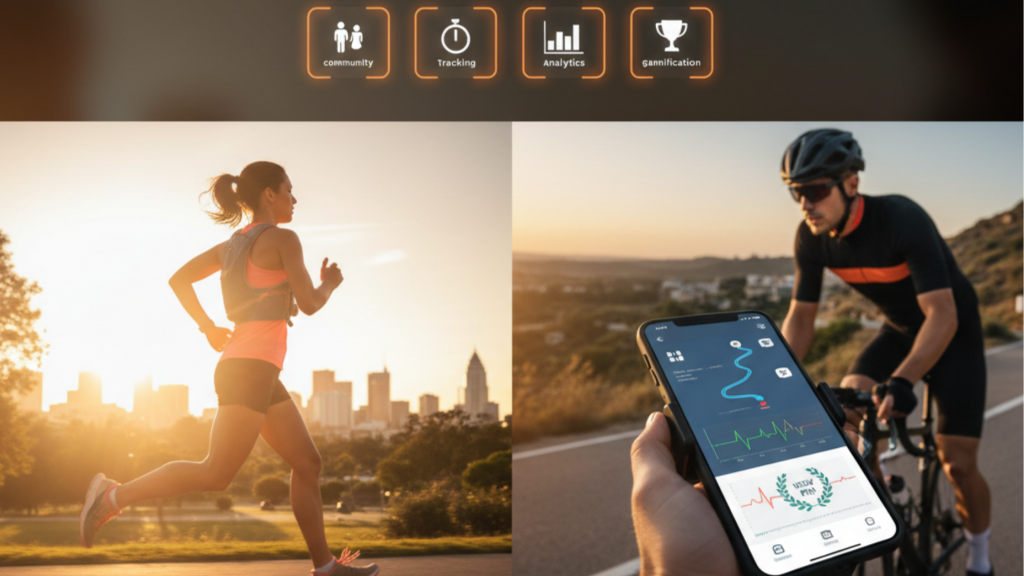
In today’s fast-moving digital world, fitness-conscious people seek technology for better tracking, measurement, and performance of their workouts. Among these apps, Strava leads the race in being the global leader in digital fitness tracking and social networking for athletes. That has inspired a number of businesses and startups to build a fitness app like Strava that encourages users, creates community engagement, and uses data to get insights into performance.
Reasons to Create a Fitness App Like Strava
Would you like to be added to the list? Here are some of the surest reasons you should invest in the development of an app like Strava:
1. Increased Demand for Fitness Applications
Fitness has just seen a digital transformation unparalleled in history. Be it running, cycling, yoga, strength, or any other form of workout, millions of active users reach for mobile applications that can trace their health and performance. A fitness application, like Strava, fits right into this trend by making it easy for users to track activities, set goals, and share with others.
Since it’s expected that by 2030, fitness applications will reach an estimated global market value of over $25 billion, it’s an excellent time to create a fitness application and capture part of this rapidly growing market.
2. Strong Community Engagement and Motivation
One of the strongest offerings at Strava is in building a social network of people who enjoy fitness: sharing workouts, challenging others on leaderboards, and celebrating together over achievements. A sense of community builds consistency and engagement-two major drivers of long-term usage.
While investing in MVP development services to build fitness app like Strava, you can include activity feeds, challenge groups, and progress badges in order to provide an interactive fitness community. That would not only serve to increase user retention but even build brand loyalty because users share experiences and motivate each other.
3. Data-driven insights for personalized training
Today, people want to track activities, but at the same time be informed about their performances. By using GPS and enhanced analytics, Strava offers incredibly detailed insight into distance, pace, elevation, and calories burned.
You could integrate AI and machine learning algorithms into a workout-tracking fitness application that evaluates workout data to suggest personalized recommendations. Heart rate monitoring, tracking progress, and AI-driven feedback will make your app a real digital fitness coach.
4. Monetization Opportunities
A well-developed fitness app opens several revenue streams. Within the business model of Strava, subscriptions unlock a premium user experience, there are in-app purchases, and brand partnerships. When you develop a fitness app like Strava, here are some monetization options you can explore:
- Freemium model: provide basic features for free, then have subscribers to the premium analytics.
- Brand Collaboration: Engage with brands selling fitness equipment, gyms, or health supplements.
- In-app ads: It shows filtered ads according to user preferences
Fitness challenges or merchandise sales.
This diversified model has ensured the sustainability of income through the maintenance of user engagement.
5. Integration with Wearables and IoT Devices
With the arrival of smart wearables like the Apple Watch, Fitbit, and Garmin, a whole new frontier opens up for fitness apps. A fitness app like Strava would integrate seamlessly with such devices, offering real-time tracking and automatic data syncing.
Your app can provide an integrated fitness experience to the user where they can track everything from heart rate and steps to sleep cycles to calories burned by supporting cross-device connectivity. Such integrations will bring richness to user satisfaction and open up more avenues for further innovation. You can partner with React Native app development companies to make this integration simple and launch the app on multiple platforms.
6. Brand Positioning and Competitive Advantage
Other than just positioning your company as a technology-driven innovator, developing an app for fitness can give you a leading edge in the health and wellness industry. The better an app is designed, the greater the credibility and presence it builds for your brand, with an increasing number of consumers undertaking journeys of fitness and self-care. This way, you provide an entire ecosystem of fitness engagement in which trust is built among the users through live route tracking, progress sharing, and gamified challenges.
7. Long-term Growth Potential
Fitness is not a fad but a lifestyle movement. Also, with the increasing development in AI, IoT, and data analytics, the future of fitness apps seems quite bright. When you build a fitness app, you build not just an application but an opportunity for long-term growth that evolves with time and technological trends. This will keep your app fresh by adding more features, challenges, and integrations, making sure your growth and user retention are maintained well over time.
Conclusion:
A fitness app can be just that: a mix of technology, community, and motivation. It lets users be in charge of their fitness journey and opens many paths toward growth and monetization for businesses. If you are ready to build a Strava-like fitness app, then focus on seamless user experience, integrate smart analytics, and create a strong fitness community. The right fitness app development company and strategy can make your app the next big name in the digital fitness industry to inspire users and change the way they move.